Column · @getculturalcitywalksdaily
How to Experience a City Through Self-Guided Walking Tours
Why Walking Tours Still Matter
Walking through a city on foot is one of the oldest ways to explore. But in an age of ride-hailing apps and crowded bus tours, the simple act of walking can get overlooked. A self-guided walking tour changes that. It puts you in control of your pace, your route, and what you stop to examine. Instead of following a guide who might rush past the details that interest you, you can linger at a street mural, double back to a quiet courtyard, or skip a crowded square altogether. The result is a more personal connection to the place.
Many travellers now look for experiences that feel less like a checklist and more like genuine discovery. This is where a flexible, well-researched walking tour shines. You are not herded from one landmark to the next. You move through neighborhoods, noticing how architecture shifts from one block to the next, how the sounds change, and how local life unfolds around you. For anyone who wants depth without the rigidity of a group tour, a self-guided audio walk is a practical alternative.
What Makes a Good Self-Guided Audio Tour
Not all audio tours are created equal. The best ones combine clear direction with engaging stories. They tell you when to turn left at the old bakery, but they also explain why that bakery matters. The audio should feel like a knowledgeable friend walking alongside you, not a monotone voice reading from a brochure.
Key features to look for include offline access. You do not want to rely on mobile data or a steady Wi-Fi signal when you are deep in a narrow alley or a park. Offline stories mean you can download the tour before you leave your hotel and listen without interruptions. Flexible routes are another plus. A good tour lets you skip a section or take a detour without losing your place. And fact-checked information matters because you are building your understanding of a city on what you hear. Inaccurate stories can leave you with a skewed picture of a place.
Planning Your Own Cultural City Walk
A cultural city walks approach works best when you do a little homework beforehand. Start by picking a neighbourhood that has a mix of historical sites, local businesses, and everyday streets. Avoid trying to cover an entire city in one walk. A focused two-hour route through a single district will leave a stronger impression than a rushed four-hour loop that skims the surface.

Once you have your area, look for a walking tour that matches your interests. Some tours highlight architecture, others focus on food history or political movements. Choose one that aligns with what you want to learn. The beauty of a self-guided audio tour is that you can choose a different theme for each day of your trip. One morning might be about the city's medieval roots, the next about its modern art scene.
Before you set out, check a few practical things. Make sure your phone is charged and the tour is downloaded. Bring a small bottle of water and wear comfortable shoes. You will be on your feet for a while, and uneven cobblestones or steep hills are common in older cities. Also, consider the time of day. Early morning walks offer quieter streets and softer light for photographs. Late afternoon walks let you see the city transition into evening life.
What to Look For Along the Way
As you walk, pay attention to the small details. The way a doorway is carved, the colour of the shutters, the name of a street that hints at an old trade. These details are often the ones that stick with you long after you return home. Many self-guided audio tours include historical context that ties these elements together. You learn why a certain square was built, who lived in that mansion, or how a neighbourhood changed over decades.
Another advantage of walking at your own pace is the chance to stop for an unplanned coffee or to browse a shop that catches your eye. This spontaneous interaction with the city is part of what makes urban exploration rewarding. You are not just consuming information; you are experiencing the place as it lives and breathes today.
Staying Flexible on the Ground
Even the best planned route might need adjustments. Maybe a street is closed for a festival, or you discover a market that was not on the tour. A flexible route in your audio tour lets you adapt. You can skip the next stop and come back to it later, or simply wander for a while and rejoin the tour when you are ready. This kind of flexibility reduces the pressure to follow a strict itinerary. It turns the walk into a conversation between you and the city.
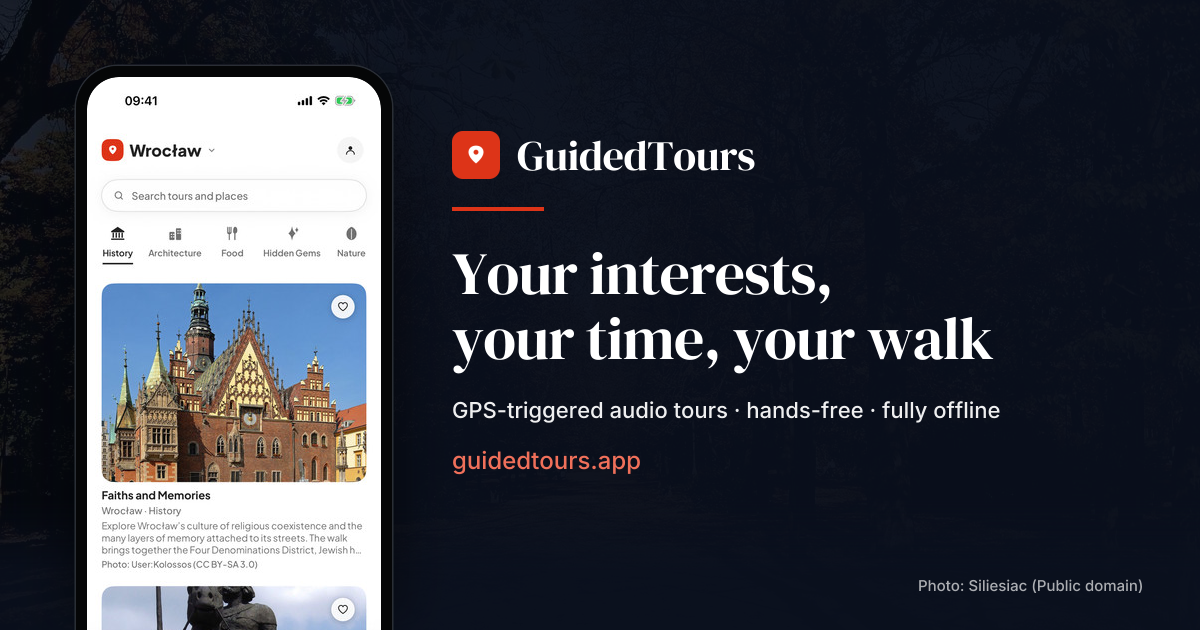
If you are travelling with others, self-guided tours also allow each person to move at their own speed. One person might want to read every plaque, while another prefers to stroll quickly and take photos. With a shared earbud splitter or by each using their own device, everyone can enjoy the same stories without being forced into the same rhythm.
Making the Most of Offline Stories
Offline stories are particularly useful when you are in areas with patchy reception. Underground tunnels, narrow streets in old quarters, and parks can all have weak signals. Having the tour pre-loaded means you never lose the thread of the narrative. You can pause, rewind a section if you missed something, or replay a favourite part later in the day.
These stories often include sound effects or ambient recordings that deepen the sense of place. You might hear the clatter of a market that has been held there for centuries or the echo of footsteps in a historic passage. Such immersive walking experiences can make the past feel present in a way that reading a guidebook cannot match.
Choosing the Right Tour for You
When you browse available tours, read the descriptions carefully. Look for tours that mention the specific neighbourhoods they cover and the themes they explore. Some tours are broad overviews, while others dive deep into a single aspect, such as street art, literary history, or local legends. Think about what kind of experience you want. A tour that covers a lot of ground might be good for an overview on your first day. A more focused tour works well for returning visitors or those with a particular interest.

Also consider the length. A one-hour walk can be a pleasant introduction, but a two-hour walk usually allows for more depth and a wider range of stops. If you are unsure, start with a shorter tour and see how you feel. You can always add another walk the next day.
Ultimately, the goal is not to check off every sight. It is to develop a richer understanding of a city and its layers. A well-crafted self-guided audio tour gives you the structure to do that without taking away your freedom to explore.